Precision Balls · Steel Balls · One-Stop Sphere Solutions
info@sdballs.usWhatsApp +1 424 351 5470
EN
EN
REQUEST A QUOTE
MENU
HomeAbout Us
ProductsView Products
ApplicationsQualitySteel Shot & BBsContact
EN
WhatsAppREQUEST A QUOTE

LIGHTWEIGHT NON-MAGNETIC METAL SPHERES

Aluminum Alloy Balls

Lightweight aluminum spheres for aerospace, floats, calibration, consumer products, displays and custom low-inertia assemblies.

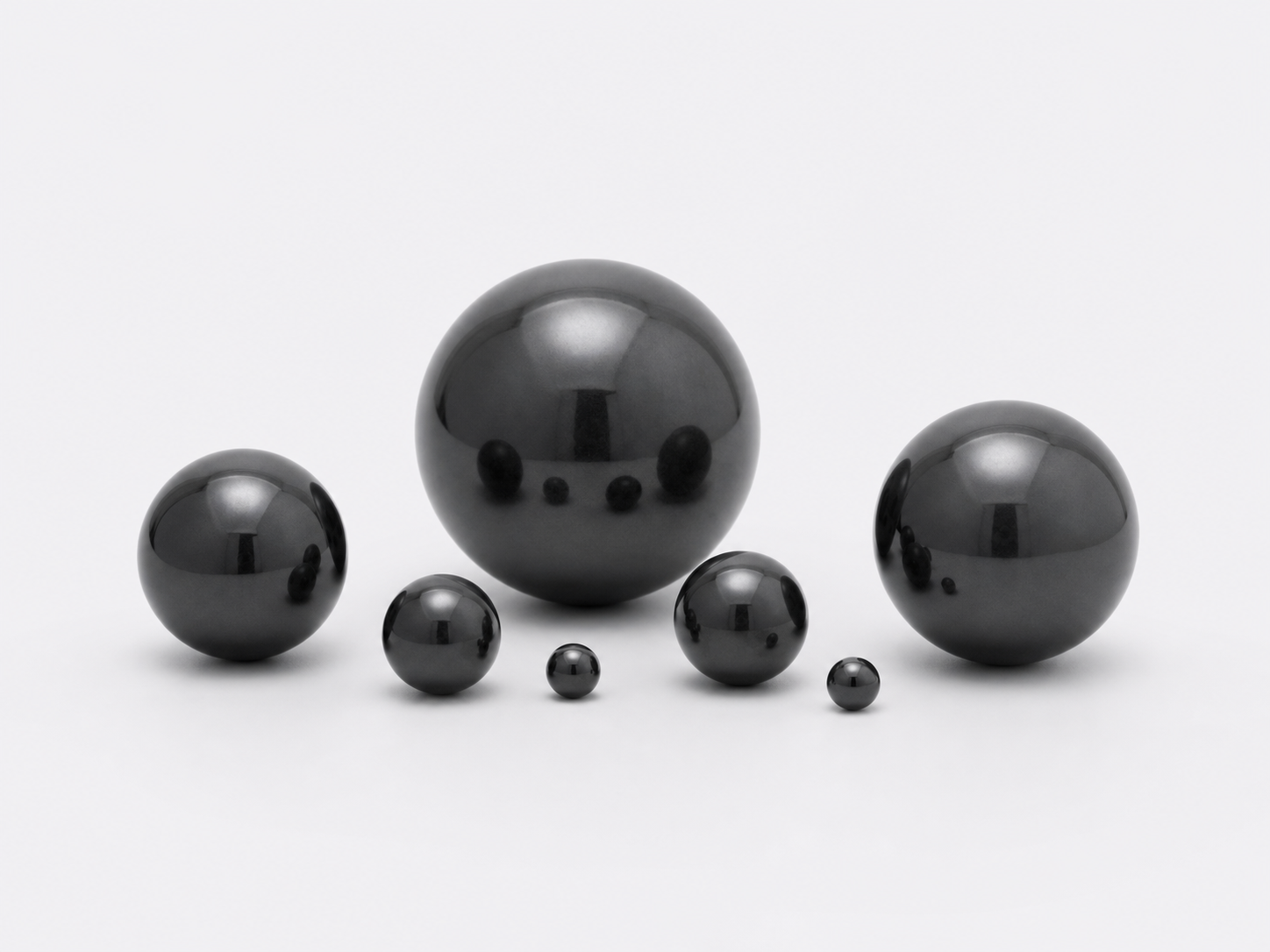
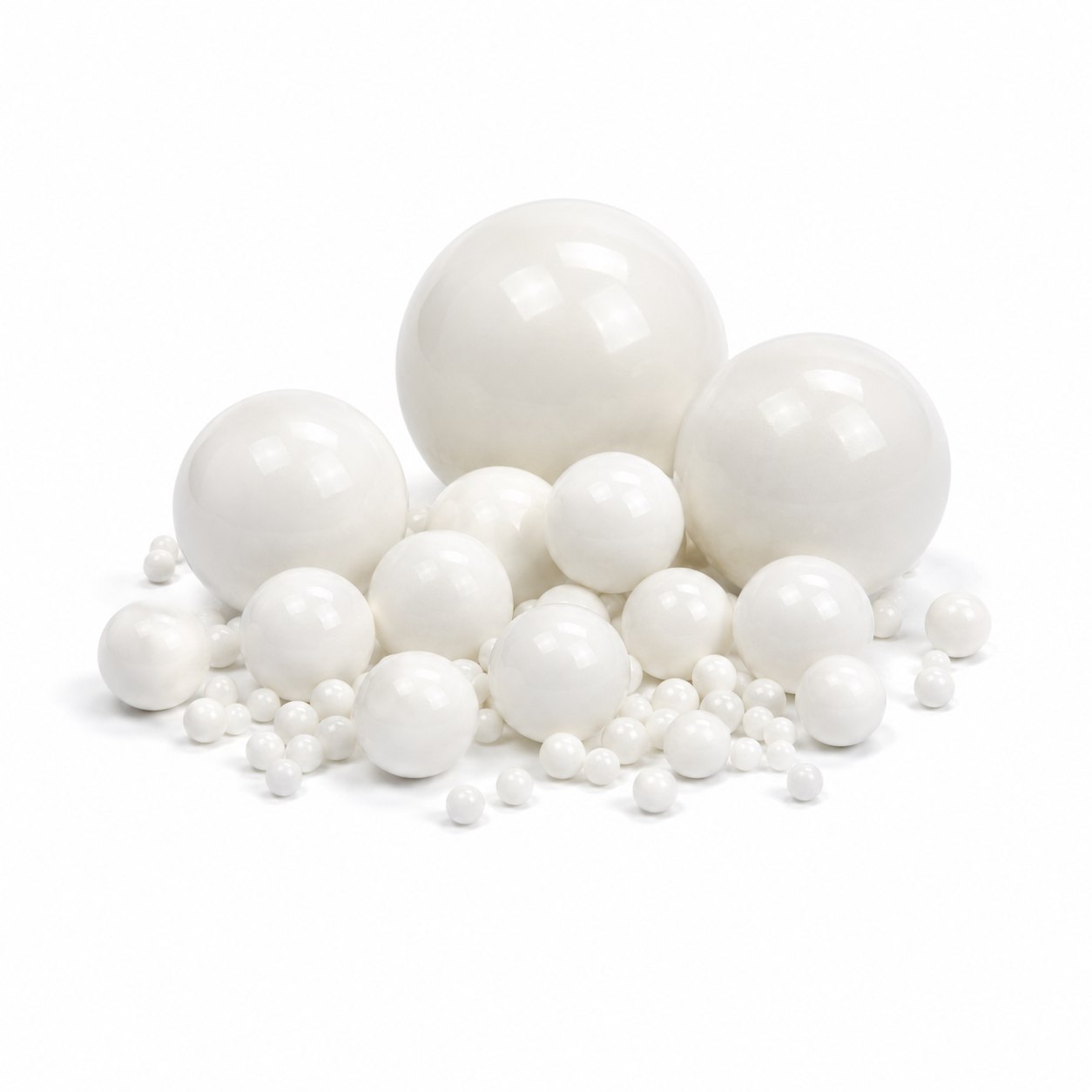
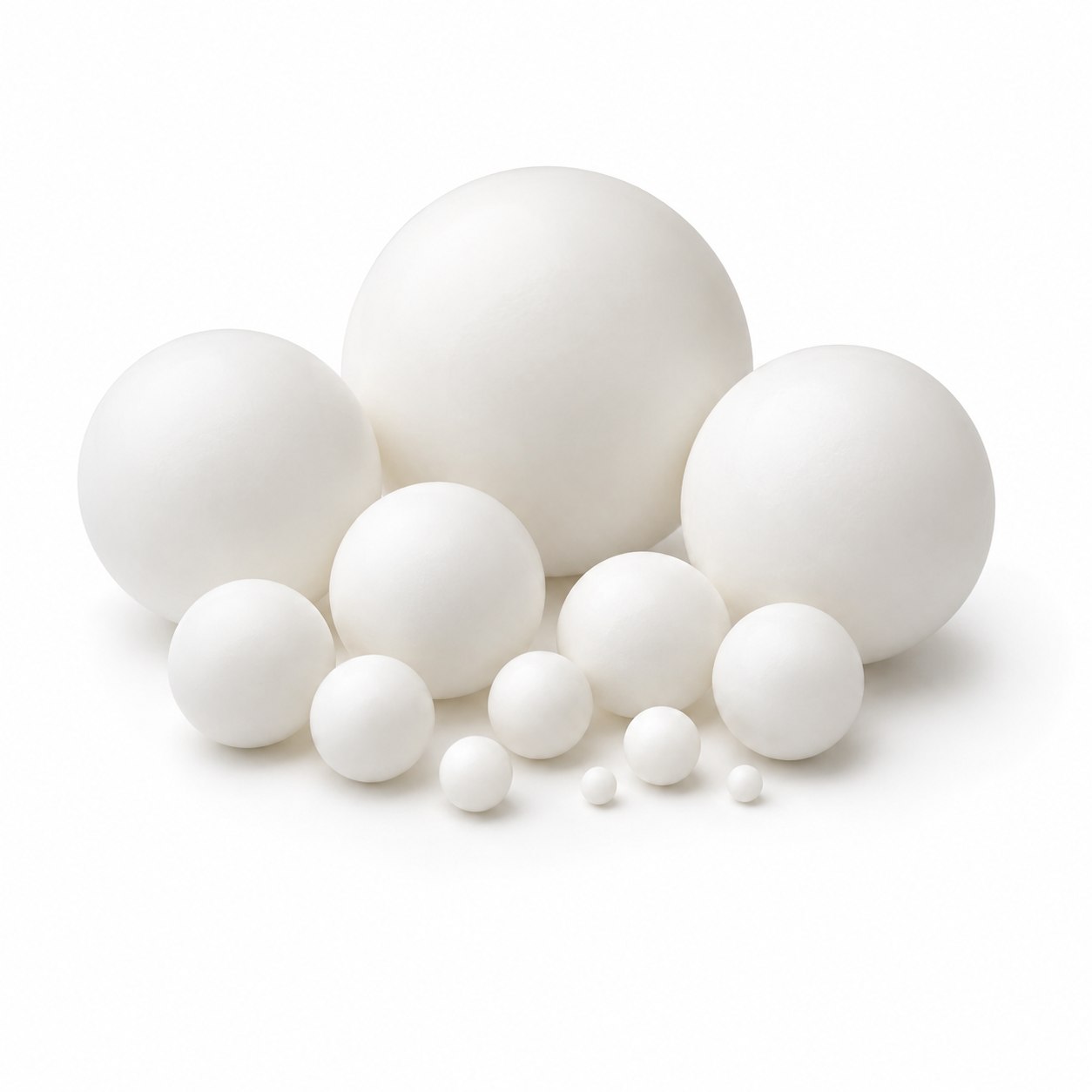
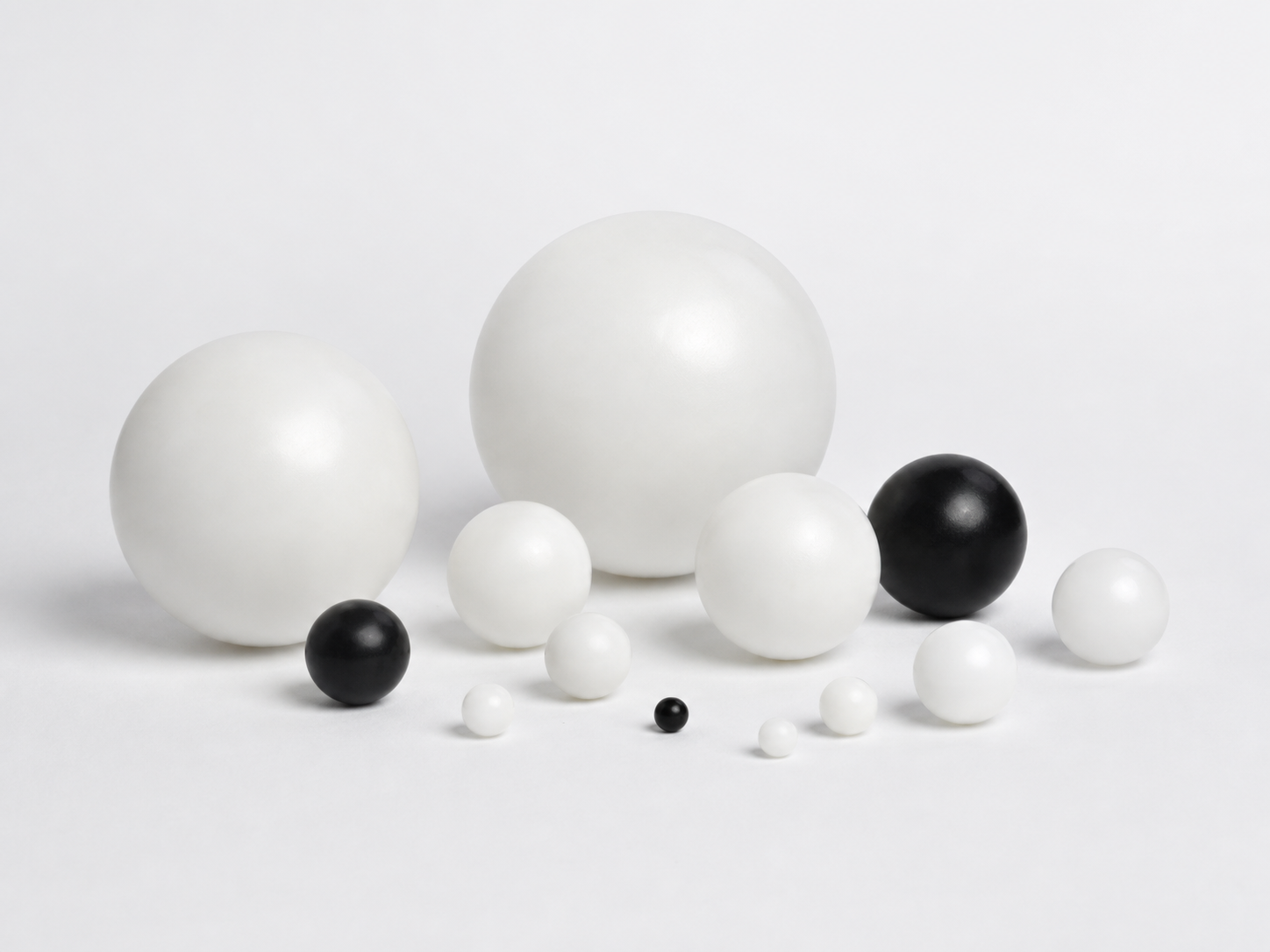
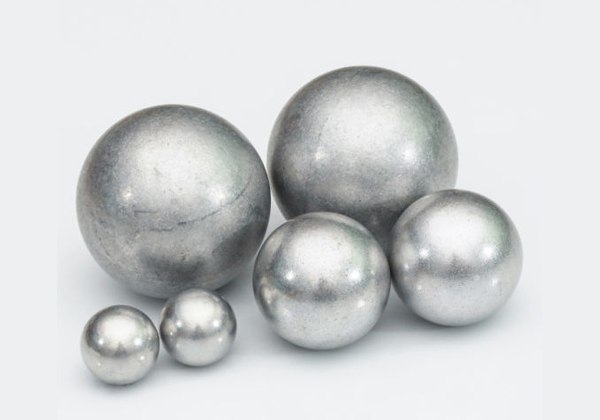
Aluminum Alloy Balls supplied by SDBALLS
PRODUCT REFERENCE / FINAL SPECIFICATION BY QUOTATION

PRODUCT OVERVIEW

What are aluminum alloy balls?

Aluminum alloy balls are lightweight metal spheres supplied as solid, hollow or machined components depending on diameter and function. Their low density, non-magnetic behavior and finish options support applications where steel is unnecessarily heavy.

Alloy, temper and manufacturing method determine strength, corrosion performance and machinability. The buyer should specify solid or hollow construction, alloy, diameter, wall thickness, surface and load.
TECHNICAL SPECIFICATIONS

Start with measurable requirements.

Values below are product-family references. The quotation, drawing, agreed standard and inspection plan control the final supply specification.

Technical itemReference specification
MaterialAluminum alloy selected by forming, machining, corrosion and strength requirements
Diameter RangeCustom range; solid, hollow and fabricated spheres by project
Precision GradeCommercial / precision / drawing-specific machining
ToleranceControlled by the agreed precision grade, drawing or purchase specification
HardnessAlloy and temper dependent
DensityApprox. 2.7 g/cm³
Surface FinishMill finish, polished, brushed, anodized, painted or plated
Roundness / SphericityControlled according to the agreed precision grade and inspection method
Temperature ResistanceApplication, load, atmosphere and material-grade dependent
Chemical ResistanceProtective oxide layer; alloy and environment dependent
PackagingBulk, small-quantity, container, bag, carton, export pallet or customized packing
MagnetismNon-magnetic
Special optionsHollow construction, holes, threads, flats and custom fabrication

PRODUCT SELECTION GUIDANCE

Compare materials before substituting.

Material selection affects load, wear, corrosion, temperature, precision, service life and total program cost.

Material optionPrimary advantageLimitationBest fit
Aluminum alloyLow density, machinable, non-magnetic and finishableLower hardness and wear resistance than steelAerospace, floats, displays and low-inertia parts
Stainless steelHigher strength, hardness and broad corrosion optionsAbout three times the densityLoad-bearing precision assemblies
Engineering plasticLower mass and broad chemical optionsLower stiffness and temperature capabilityFloats and light-duty valves
TitaniumHigh strength-to-weight and corrosion performanceMuch higher costHigh-value aerospace and medical work

KEY PERFORMANCE FEATURES

Performance that purchasing teams can verify.

01

Low mass & inertia

Approximately one-third the density of steel for lightweight moving assemblies.

02

Non-magnetic metal

Useful near sensors, magnets and instrument systems.

03

Machining flexibility

Supports holes, threads, flats and custom drawing features.

04

Decorative finish options

Polishing, anodizing and coating support consumer and architectural programs.

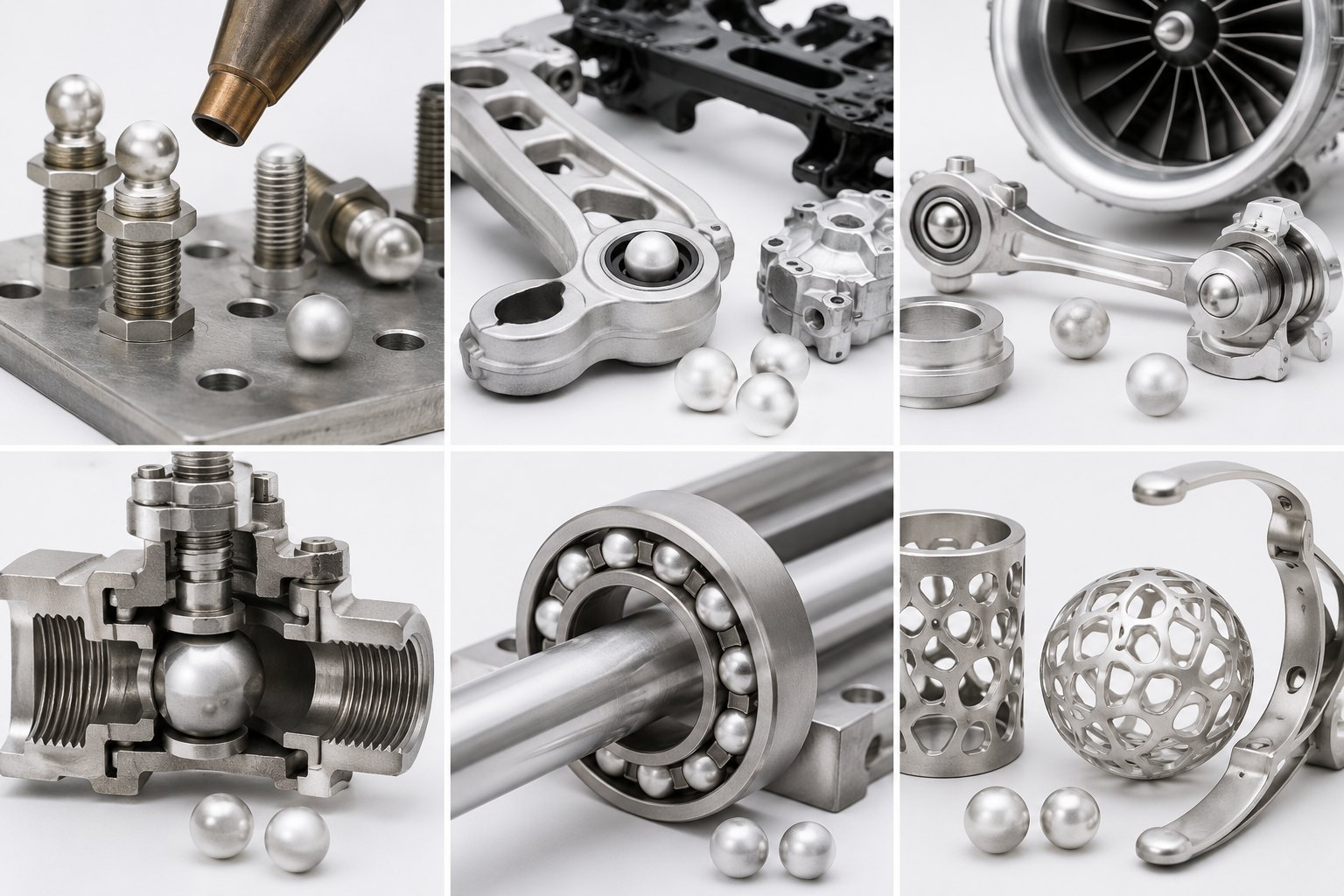
TYPICAL APPLICATIONS

Specify the work the ball must perform.

Application names are starting points—not approval of universal suitability. Share the real medium, load, speed, pressure, temperature, life target and compliance needs.

Aerospace & robotics

Low-inertia mechanisms, prototypes and lightweight structures.

Floats & calibration

Solid or hollow spheres for level, buoyancy and balance systems.

Consumer products

Handles, displays, toys and visual components.

Custom assemblies

Threaded, drilled, anodized and drawing-specific metal spheres.

Typical applications for Aluminum Alloy Balls
REPRESENTATIVE APPLICATION ENVIRONMENTS

QUALITY & DOCUMENTATION

Build the evidence into the purchase order.

Document requirements should be defined before quotation so the inspection method, sampling level, traceability and external testing can be planned correctly.

  • Material identity or alloy / ceramic grade verified against the agreed purchase specification
  • Diameter, tolerance and geometry inspected using the method appropriate to the ordered precision level
  • Hardness, density, wall thickness or coating hardness tested when applicable to the product
  • Surface condition, finish and visual limits checked against approved samples or drawings
  • Roundness / sphericity or roller geometry inspected when specified
  • Lot identification and batch traceability maintained through controlled records
  • Material certificates and inspection reports available when agreed before quotation
  • Third-party testing, compliance documents and customer inspection plans supported by agreement

PACKAGING OPTIONS

Protect precision through delivery.

Final packing depends on material, diameter, surface sensitivity, order weight, storage time and destination.

01

Anti-tarnish inner packing

Sealed bags or protective paper selected for copper-alloy surface preservation.

02

Small-lot containers

Labeled bags, vials or trays for prototypes, repair and distributor orders.

03

Cartons, pails & drums

Industrial packing selected by diameter, total weight and handling method.

04

Customer-specific packing

Counted quantities, private labels, export pallets and corrosion protection by agreement.

Supported formats: bulk packaging · small-quantity packaging · plastic containers · bags · cartons · export pallets · customized packaging.

SMALL QUANTITY & SAMPLE ORDERS

Validate before you scale.

SDBALLS Industry Corp. supports North American customers with sample quantities, prototype requirements, testing programs and specialty ball inquiries.

Specify alloy, temper, solid or hollow construction, diameter, wall, finish, load and quantity. Samples support weight, fit, coating and appearance approval.

PrototypeTestingRepairR&DSmall batch production

PRODUCT FAQ

Answers for engineering and purchasing teams.

Are aluminum balls solid or hollow?

Both are possible depending on size and method. State construction and wall thickness because performance differs significantly.

Can aluminum balls be anodized?

Yes, subject to alloy, surface preparation, color, masking and cosmetic acceptance.

Are aluminum balls suitable for bearings?

Generally not for high-load precision bearings because aluminum is softer than bearing steel. They suit lightweight and low-load mechanisms.

Can you machine threads or holes?

Yes. Provide a drawing with alloy, thread standard, datum, tolerance and surface finish.

Can you provide material certificates and inspection reports?

Yes. State the required certificate, inspection method, sampling plan and report format before quotation so documentation can be included in the supply plan.

Do you support samples and small-quantity orders?

Yes. SDBALLS Industry Corp. supports North American prototype, qualification, repair, R&D and small-batch requirements, subject to material, size and production availability.

CONTACT SDBALLS U.S.

Bring us the application and requirement.

Include product, material, size or shot size, grade, hardness, finish, quantity, packaging, application and required documentation for a faster quotation.

SDBALLS Industry Corp.Email: info@sdballs.usWhatsApp: +1 424 351 5470Website: www.sdballs.usNorth American Business Support
WAWhatsApp